Southwell celebrates the Bramley apple tree that started it all
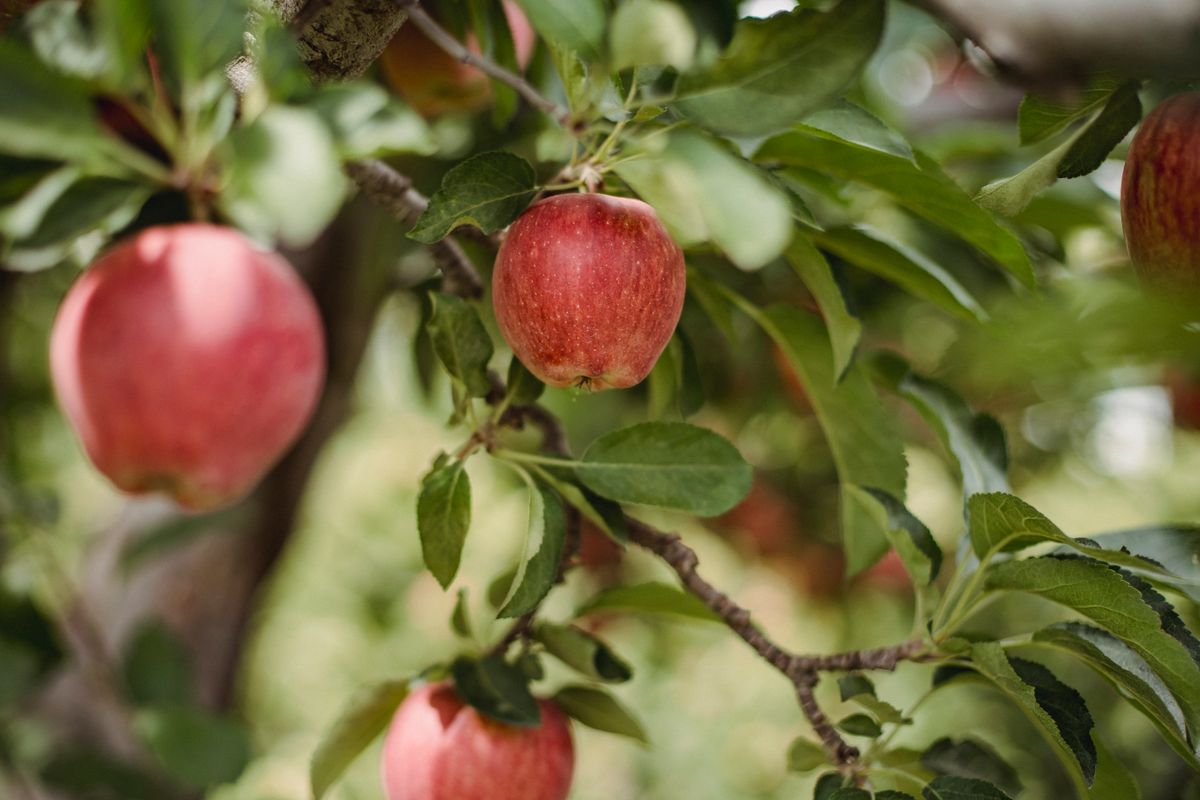
Every Bramley apple baked into a crumble or a pie can trace its roots to one garden in Southwell. The famous cooking apple began with a girl named Mary Ann Brailsford, who planted pips in her garden in the town in 1809.
Mary Ann left the house when she married and died in 1852, never knowing the tree would become famous. In 1846 the cottage, tree and all, was bought by local butcher Matthew Bramley.
The apple's fortunes changed in 1856, when nurseryman Henry Merryweather asked to take cuttings and sell the fruit. Bramley agreed, on condition that the apples carried his name. Merryweather's accounts record the first known sale in 1862: three apples sold to a customer at Upton Hall. By 1876 the Bramley was highly commended at a Royal Horticultural Society fruit exhibition.
The original tree has survived plenty. Storms knocked it over in 1900, but it kept growing. In 1990 scientists at the University of Nottingham cloned it to help preserve it, and in 2018 Nottingham Trent University bought 75-77 Church Street to protect both the building and the tree.
The town wears its connection proudly. In 2009 a stained glass window was placed in Southwell Minster to mark the 200th anniversary of the planting. The town's library is called the Bramley Centre, the local community newspaper is The Bramley, and Southwell City football club is nicknamed The Bramleys.
Each autumn the Southwell Bramley Apple Festival brings the story to life. The Newark Advertiser reported that the 2024 festival, its 31st year, included an apple-themed food and drink fair in the Minster, apple identification with expert Paul Barnett, a longest apple peel competition at the National Trust Workhouse and a Bramley Apple Pie baking competition, with visitors able to see the original tree at Church Street.
Festival chairman Colonel Roger Merryweather said: "This will be a great day for the town, and we would like to thank all our sponsors."
The tree is not open to the public but can be visited by appointment, and a blue plaque on the Church Street house remembers Mary Ann Brailsford and Henry Merryweather.